

【活動】傳統產業的永續與創新實踐—國際學院專案研習 Sustainability and Innovation Practices in Traditional Industries: Project-Based Field Study by the College
發布日期 2026-01-14 09:26:00
- 分享


- 列印
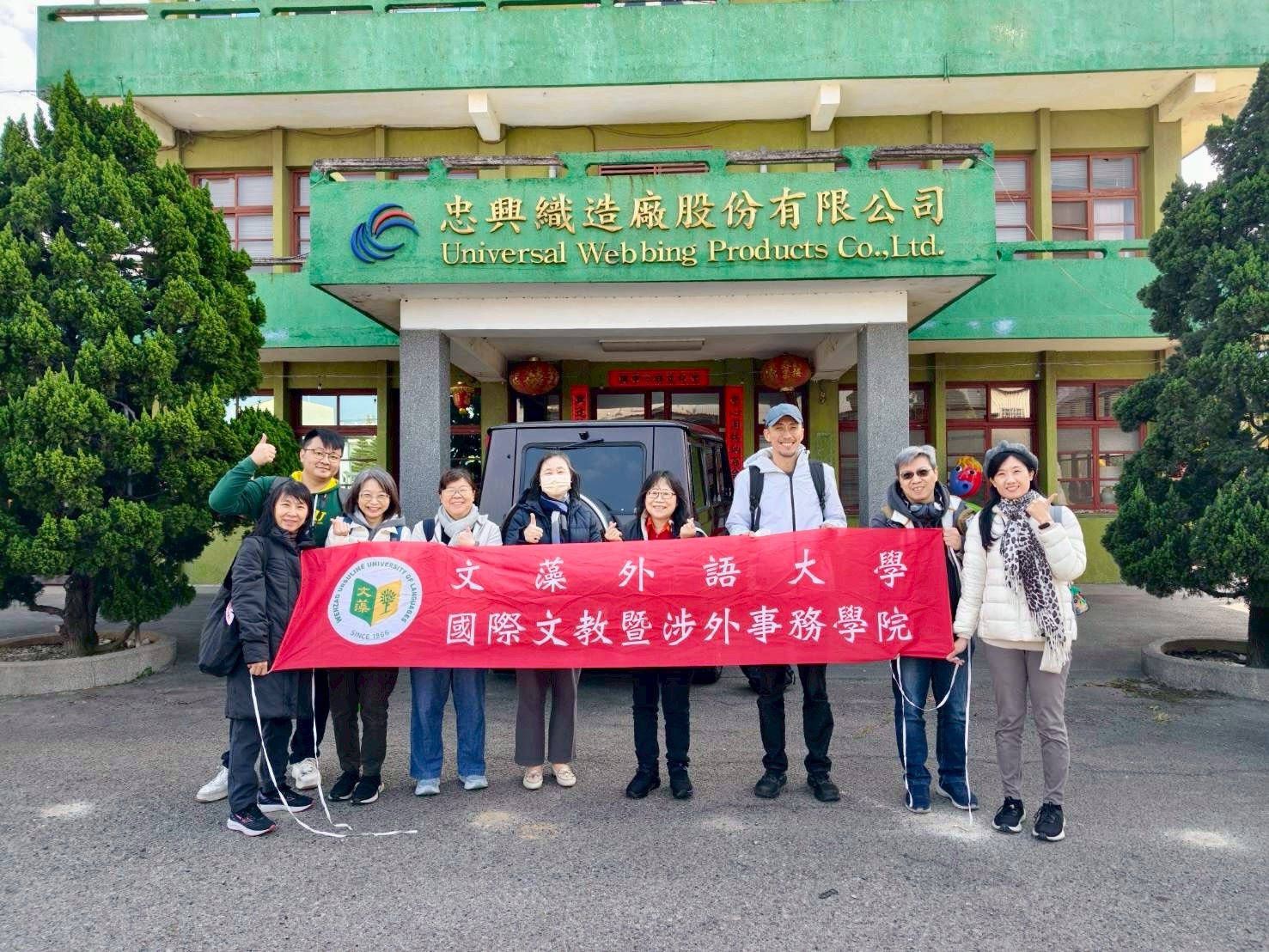
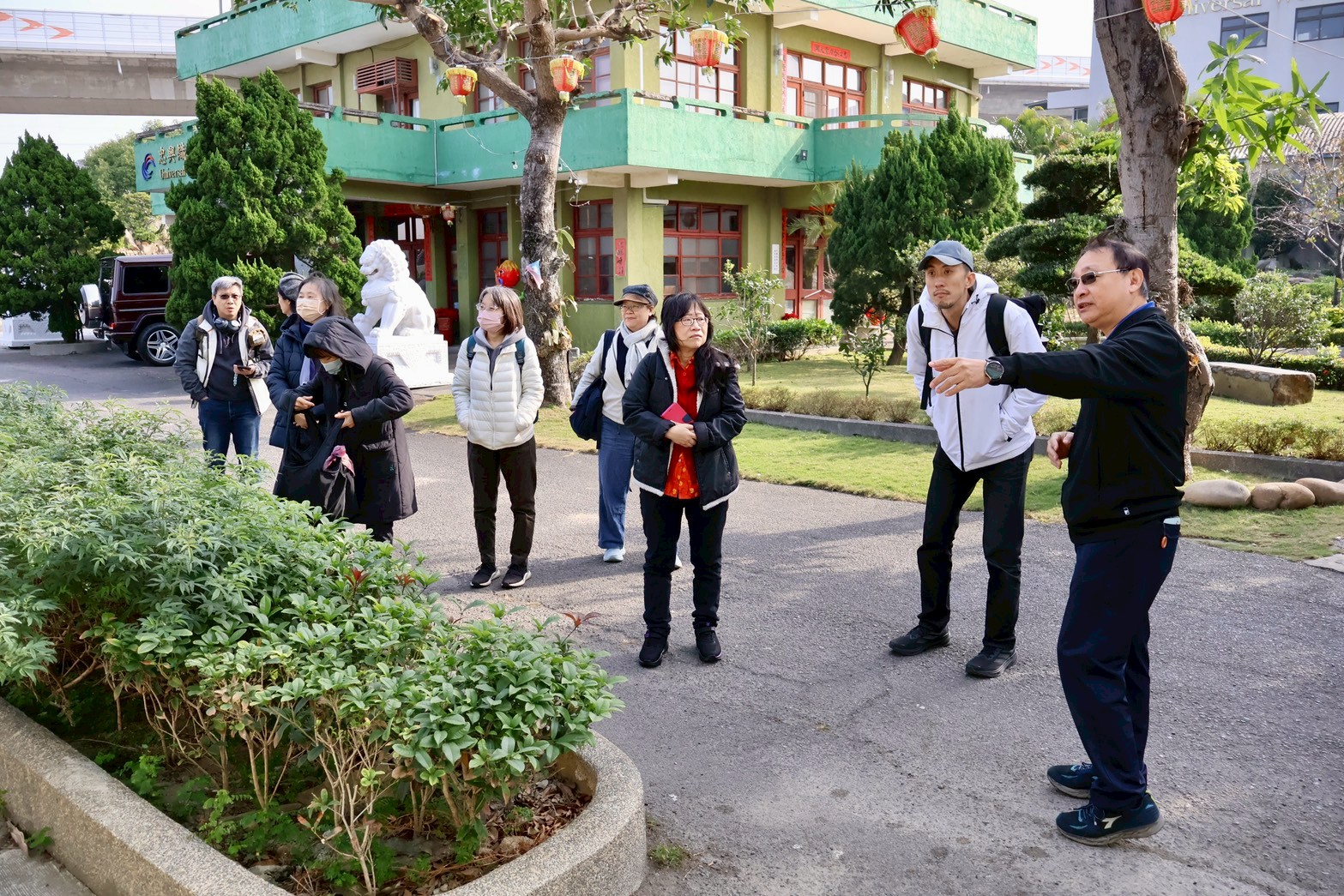
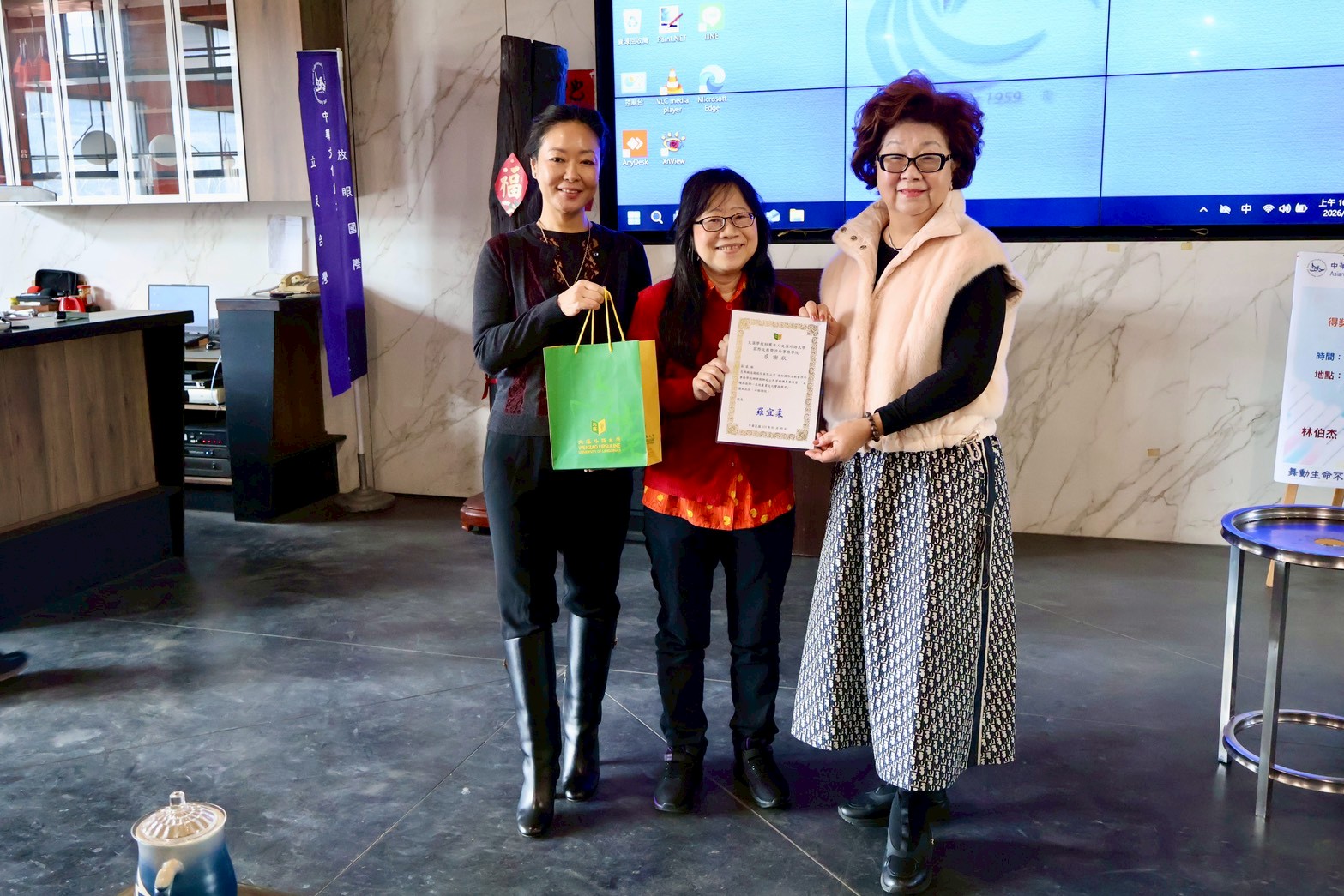
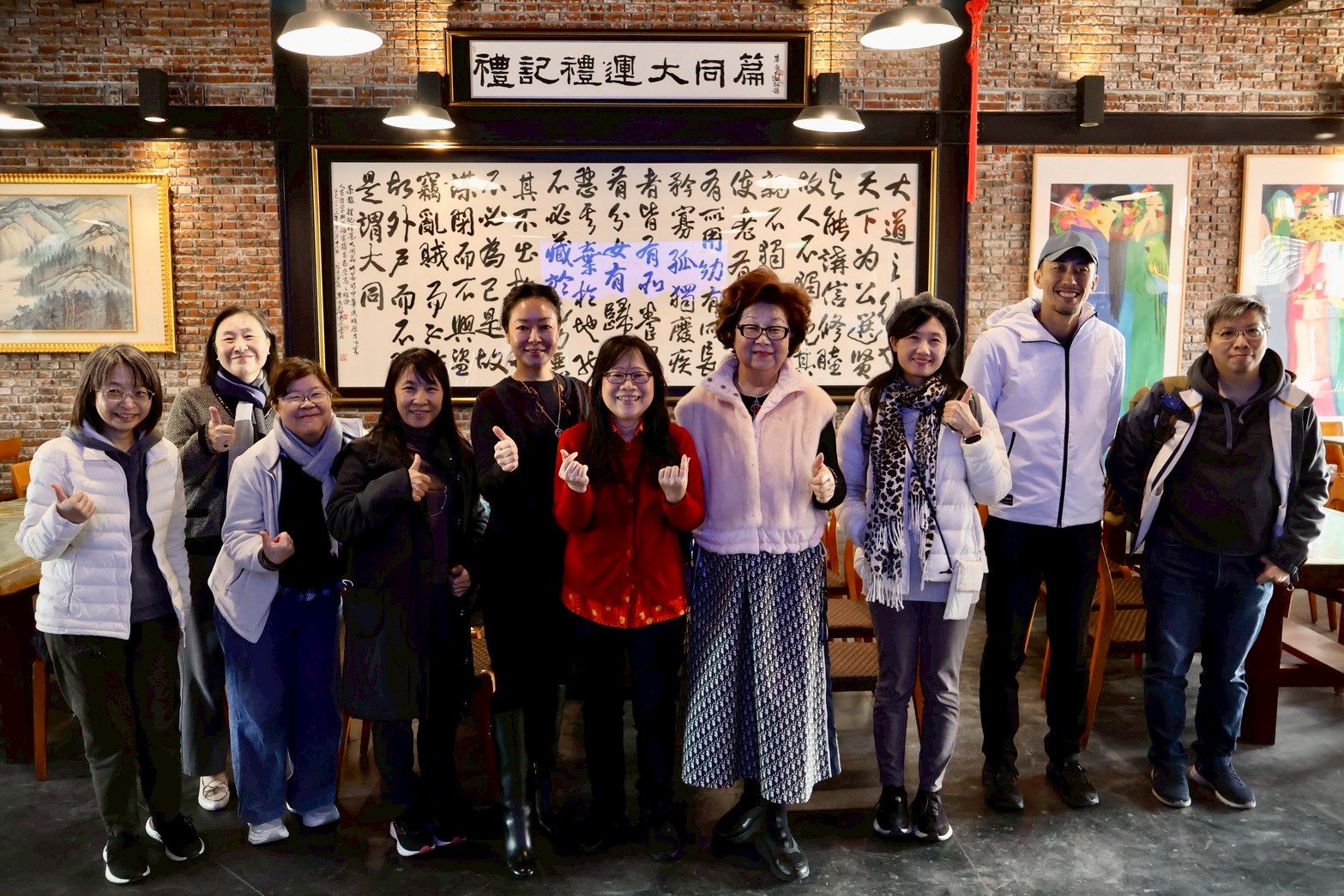
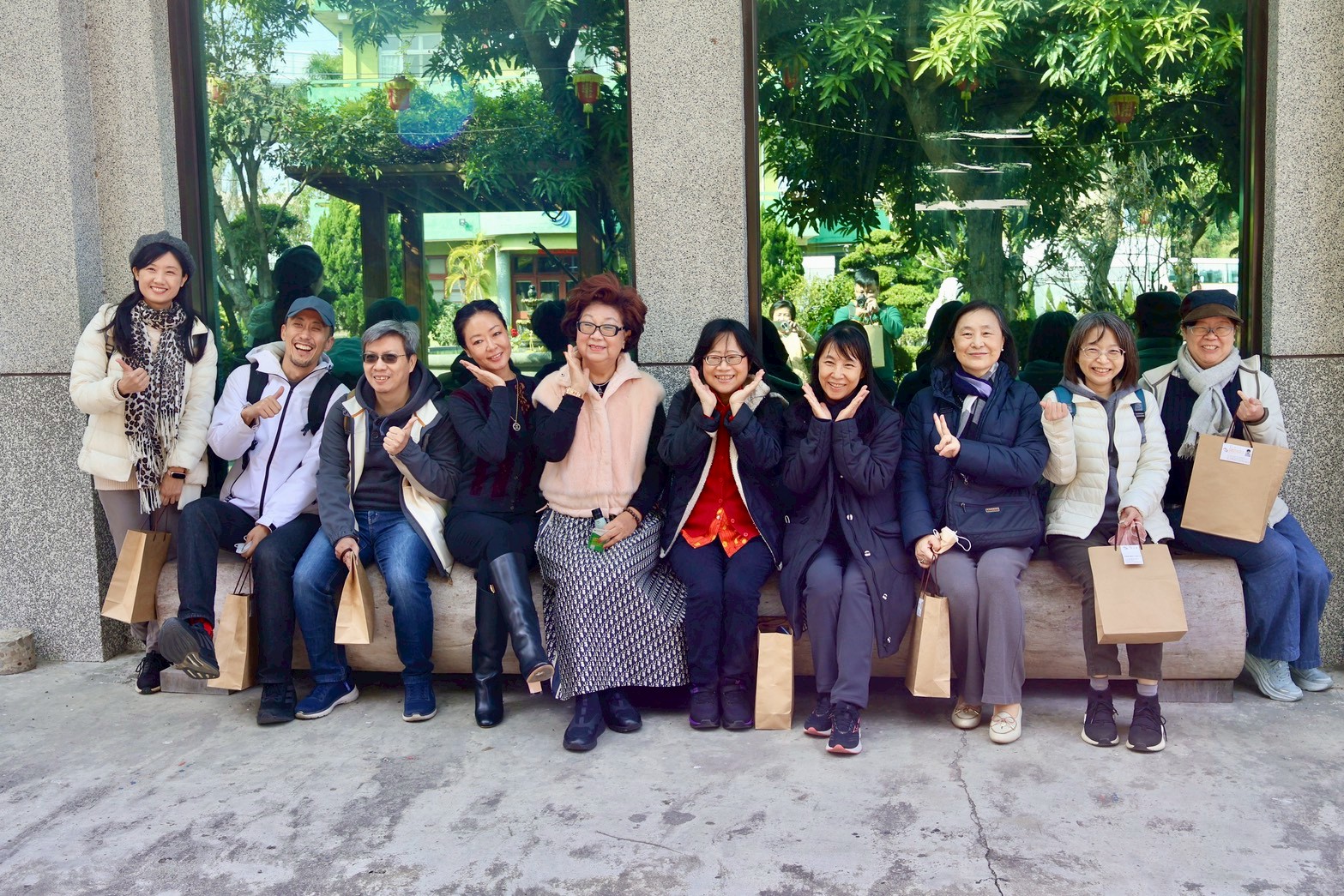
2026年1月9日,國際學院舉辦專案研習活動,帶領教職員前往台中忠興織造廠及丸林鮮魚商號,實地了解傳統產業如何透過創新思維與永續策略,在變動的市場環境中持續發展。
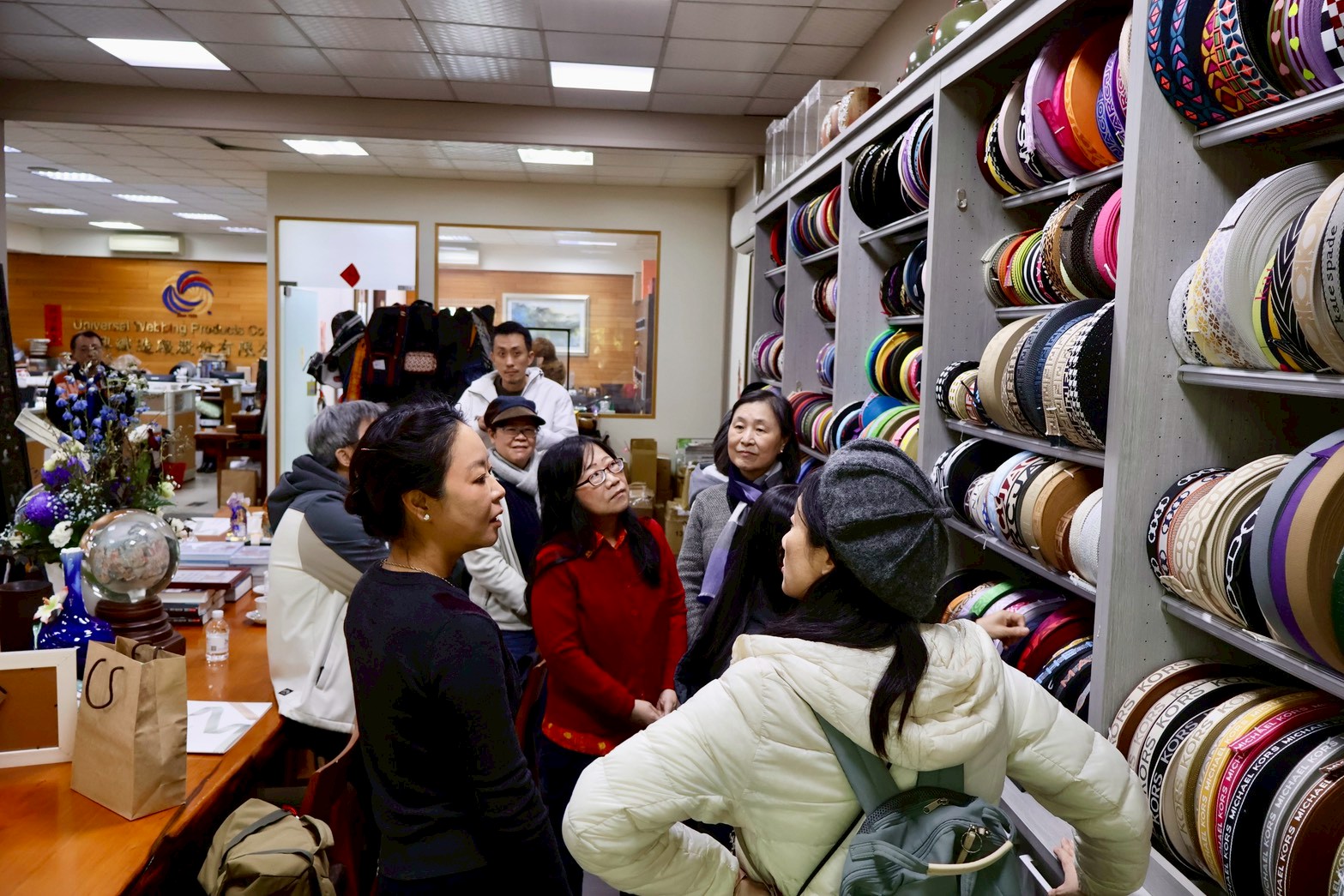
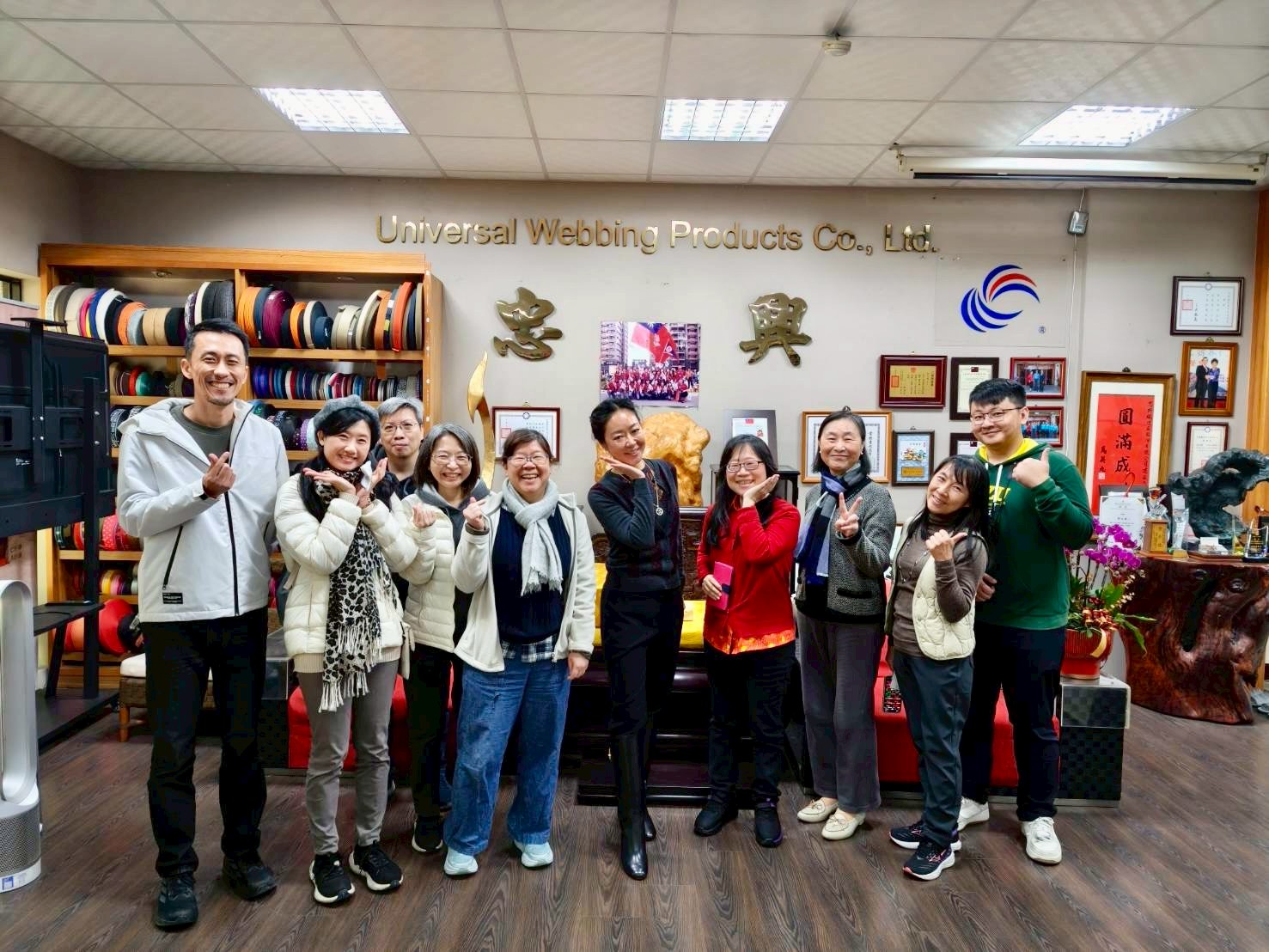
忠興織造廠早期以內銷為主,主要生產織帶。隨著本地市場需求逐漸縮減,工廠積極調整經營方向,導入設計思維與市場導向策略,成功拓展至國際市場,並與多個知名國際品牌合作,逐步轉型為具全球連結的企業。參訪過程中,團隊亦深入了解織造廠的世代經營特色。第二代與第三代經營者皆為女性,現任總經理李佳倩為第三代接班人。她曾留學海外,具備良好的英語能力與設計背景,負責國際溝通、行銷與產品設計,為企業帶入國際視野與創新動能,也因此總經理特別強調語言能力在產業升級與國際合作中的關鍵角色。
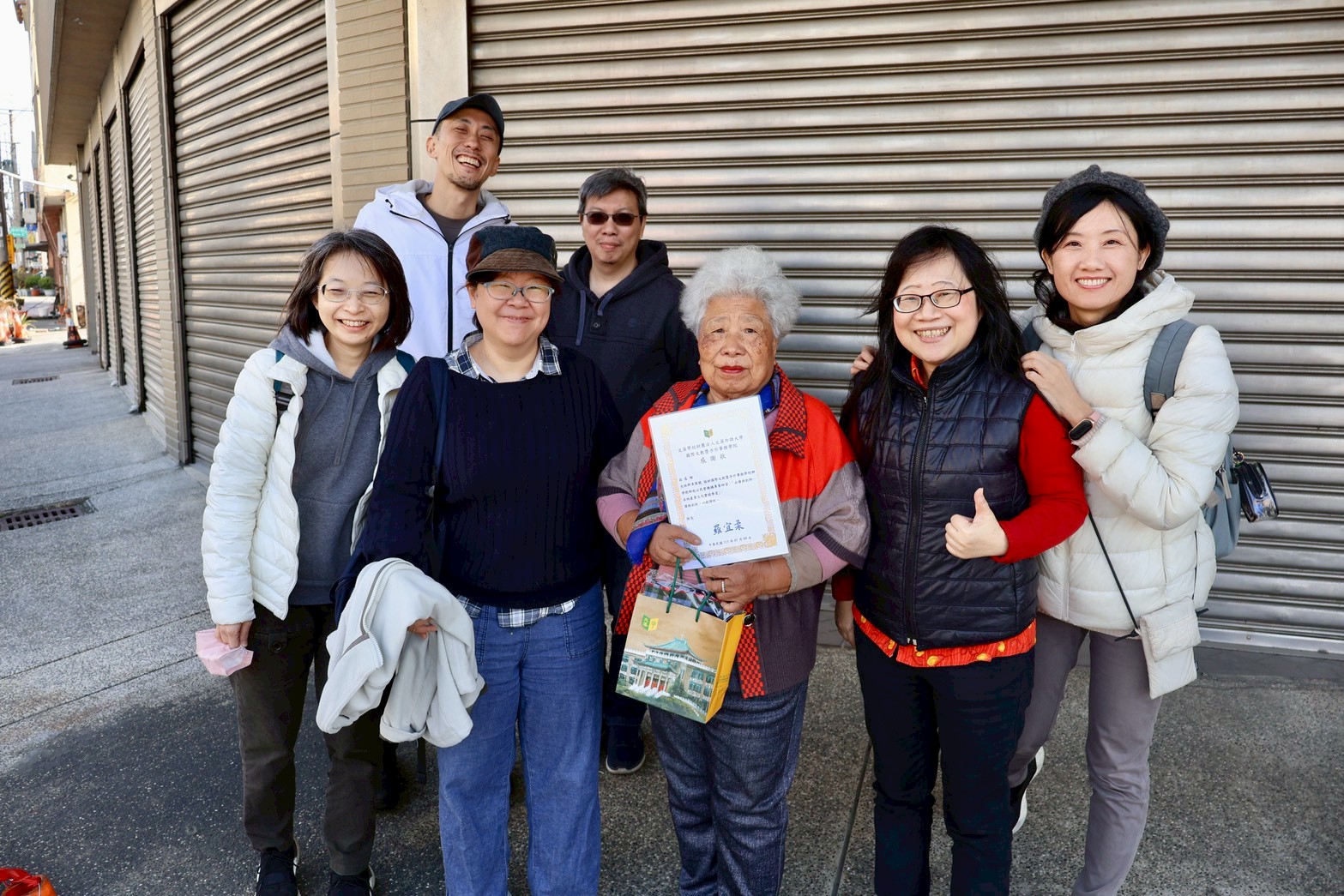
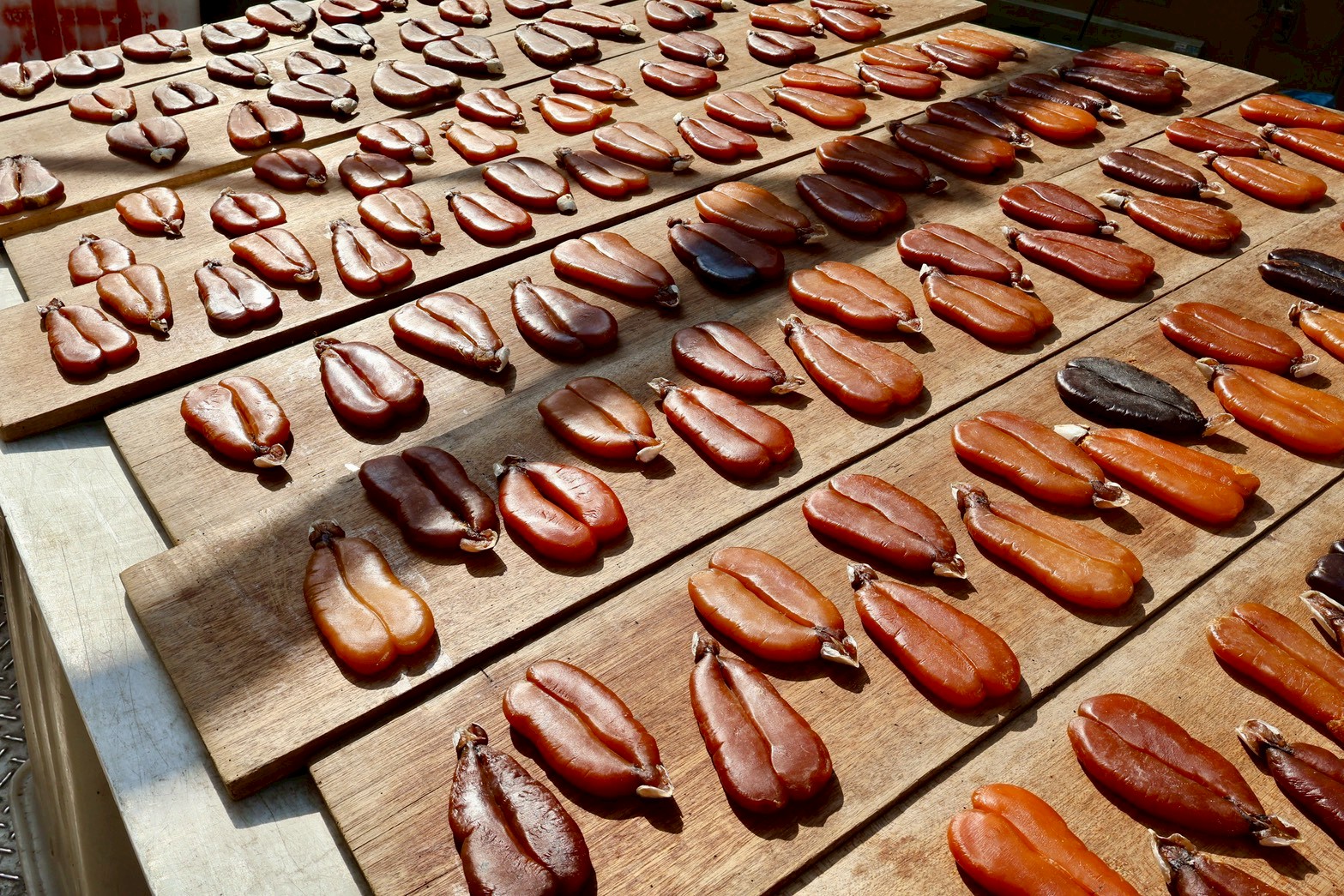
丸林鮮魚商號的研習則介紹烏魚子的基本製造流程,並分享其永續經營理念。該商號擁有自有船隻,能直接掌握漁獲來源與原料品質,展現以源頭控管作為永續發展基礎的實務做法。
整體而言,本次研習活動透過不同產業案例,呈現傳統產業在創新轉型、品質控管與永續經營上的多元實踐,也為未來教學、課程設計與產業連結提供具體且具啟發性的參考。
On January 9, 2026, College of International Culture, Education, and Foreign Affairs organized a project-based field study, leading faculty and staff to visit Universal Webbing Factory and Wanlin Fresh Fish Company in Taichung. Through on-site visits, participants gained firsthand insight into how traditional industries continue to thrive in a rapidly changing market by embracing innovative thinking and sustainable strategies.
Universal Webbing Factory originally focused on the domestic market, specializing in the production of webbing products. As local demand gradually declined, the company proactively adjusted its business direction by incorporating design thinking and market-oriented strategies. These efforts enabled the factory to successfully expand into international markets and establish partnerships with several well-known global brands, gradually transforming into an enterprise with strong global connections. During the visit, participants also learned about the factory’s multi-generational management structure. Both the second- and third-generation leaders are women, with the current General Manager, Catherine Lee, serving as the third-generation successor. Having studied abroad, she brings strong English proficiency and a background in design, and is responsible for international communication, marketing, and product design. Her leadership has infused the company with an international perspective and innovative momentum. She also emphasized the critical role of language skills in industrial upgrading and international collaboration.
The field study at Wanlin Fresh Fish Company introduced participants to the basic production process of mullet roe and highlighted the company’s commitment to sustainable operations. With its own fishing vessels, the company maintains direct control over its catch sources and raw material quality, demonstrating a practical approach to sustainability through upstream management and source control.
Overall, this field study showcased diverse practices of traditional industries in innovation-driven transformation, quality control, and sustainable management. It also provided concrete and inspiring references for future teaching, curriculum design, and industry–academia collaboration.