
【活動】教學簡報新思維講座 New Perspectives on Instructional Presentations
發布日期 2026-03-18 12:05:00
- 分享


- 列印
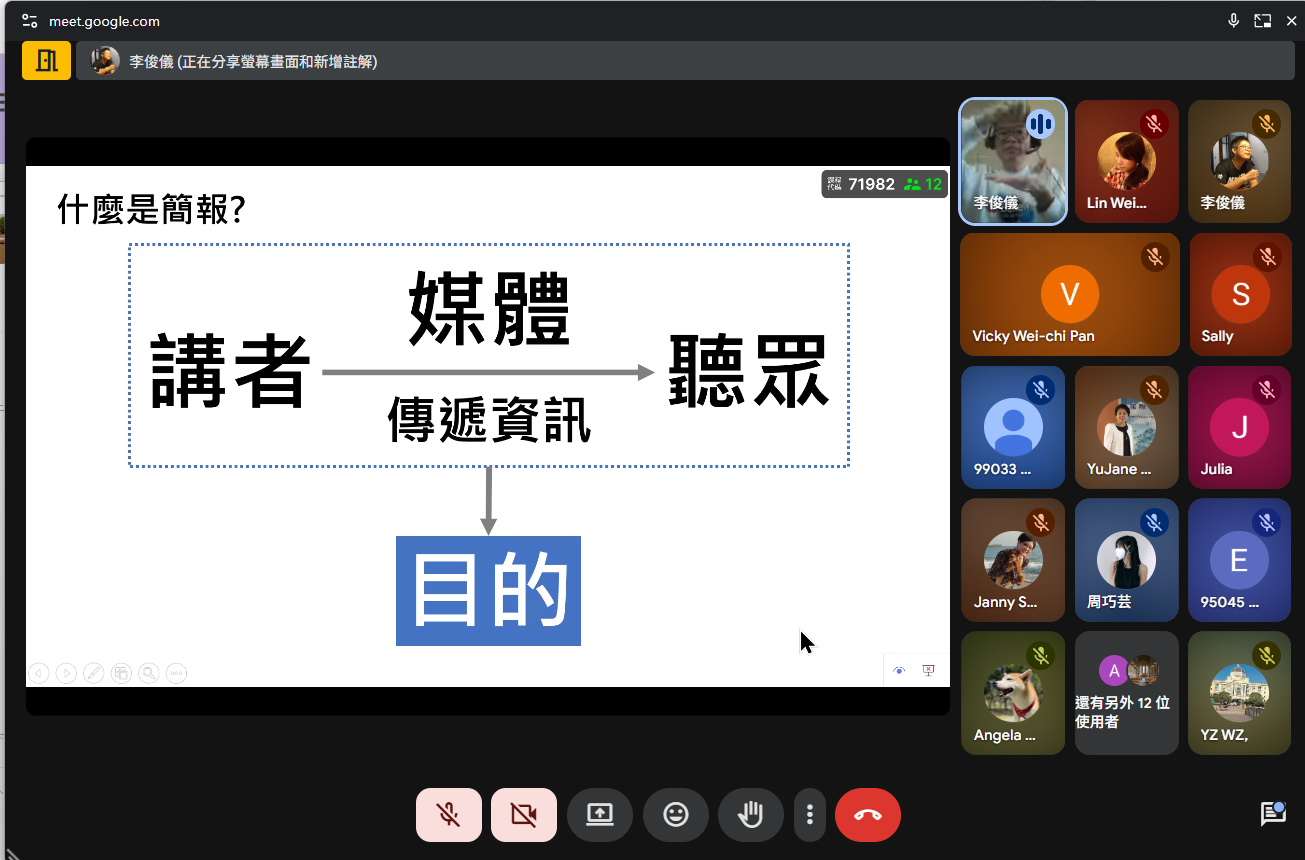
國際學院於115年3月17日中午12時至14時舉辦「教學簡報新思維」線上講座,邀請國立臺北大學師資培育中心李俊儀教授擔任主講人,與本院教師分享教學簡報設計之創新觀點與實務應用。
本次講座以大腦認知科學為基礎,探討教學簡報的本質,指出優質簡報的關鍵不在於工具操作(如PPT、Canva或AI),而在於能否促進學生的認知參與與學習歷程。李教授強調,若學生僅被動接收資訊,將難以產生有效學習,教學設計應著重引導學生進行主動思考與處理。
此外,講座亦介紹壓力與學習之間的關係,說明適度的短期壓力有助於提升學習成效,而長期壓力或完全無壓力皆不利於學習。因此,建議教師在教學過程中適當運用問答、討論及實作等多元教學策略,以提升學生參與度與學習效果。
本次活動內容兼具理論與實務,提供教師從認知科學角度重新檢視教學簡報設計之契機,對於精進教學品質與促進學生學習具有正面助益。(20/4.8)
The College held an online lecture titled "New Perspectives on Instructional Presentations" on March 17, 2026, from 12:00 to 14:00. The event featured Professor Chun-Yi Lee from the Center for Teacher Education at National Taipei University as the keynote speaker, who shared innovative perspectives and practical insights into instructional presentation design.
The lecture approached the topic from the perspective of cognitive neuroscience, emphasizing that the effectiveness of instructional presentations does not depend on tools such as PowerPoint, Canva, or AI, but rather on whether they can facilitate students' cognitive engagement and learning processes. Professor Lee highlighted that passive reception of information does not lead to meaningful learning; instead, instructional design should focus on encouraging active processing and student participation.
In addition, the lecture explored the relationship between stress and learning, explaining that an appropriate level of short-term stress can enhance learning outcomes, while prolonged stress or the absence of stress may hinder learning. Therefore, instructors are encouraged to incorporate diverse teaching strategies, such as questioning, group discussions, and hands-on activities, to increase student engagement and optimize learning effectiveness.
Overall, the lecture successfully integrated theory and practice, providing faculty members with an opportunity to re-examine instructional presentation design from a cognitive science perspective and offering valuable insights for improving teaching quality and student learning outcomes.